

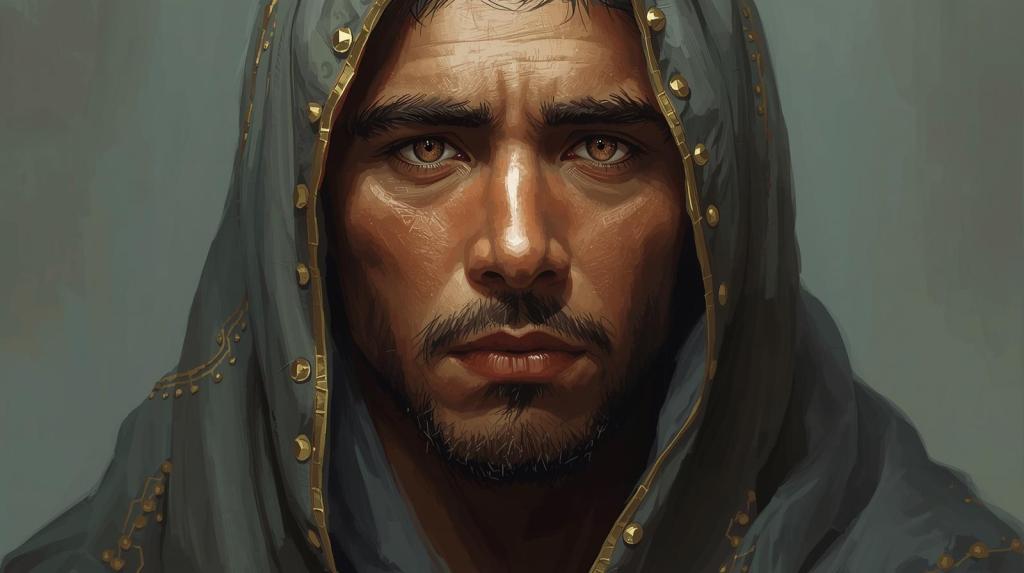
Narrated by Vedek Lira
Pride was. Pride is. Pride will be.
It is the oldest mask humanity wears — sometimes gilded, sometimes tattered, but always present. Kings wear it in palaces, beggars wear it in rags. And when war stripped away civilization’s skin, pride only found new costumes to hide behind: the warlord’s banner, the merchant’s greed, the preacher’s certainty.
And so it was pride that summoned Seraphine, daughter of Trelane’s kind — child of mischief and magnificence, connoisseur of theater and folly.
She came not with warships nor proclamations. She came to throw a party.
The Invitations
In a ruined coastal city, where skyscrapers stood like shattered teeth and a self-styled governor ruled from a decaying hotel ballroom, the people starved while he drank wine brewed from spoiled fruit. He wore a crown forged from bullets — fitting, perhaps, for a king of ashes.
Then, one night, invitations appeared on every doorstep.
Printed on silk-white parchment, sealed with wax that shimmered like starlight, they read:
“You are cordially invited to the Duchess’ Masquerade. All shall attend. All shall dance. Masks provided.”
The people thought it a trick. The governor thought it a challenge. By midnight, all who could still walk gathered in the ballroom.
The Ball
The ruined hall blazed with impossible light. Chandeliers glittered though their crystals were long broken. Floors shone as if freshly polished. Music drifted from nowhere — strings and laughter and the pulse of old-world grace.
At the center stood Seraphine herself, resplendent in a gown of living lace that shimmered through every color of nebulae. Her parasol twinkled with a thousand stars.
“Welcome, darlings!” she trilled. “Tonight, you shall see yourselves as you truly are.”
Masks descended from the air, graceful and relentless, settling upon every face.
The governor’s bullet crown crumbled into dust — replaced by a beggar’s cracked clay mask. The beggars found themselves draped in velvet and jewels. Soldiers became servants; servants became soldiers. Children bore the faces of wise elders, and elders wore the masks of children, giggling in confusion.
Seraphine clapped her hands.
“Now,” she declared, “let us dance!”
And they did.
The music quickened. Feet moved without command. The mighty stumbled. The starving soared. The governor tripped over his robes while a gaunt woman — once his prisoner — spun across the marble like a queen. Children led the waltz; soldiers poured wine for peasants.
Seraphine twirled at the center of it all, laughter sparkling in the air.
The Lesson
When dawn brushed the cracked windows, the music slowed. Masks began to melt away like wax in sunlight.
The governor sat in the dust, his false crown gone, his eyes hollow but open. For the first time, he saw the people he had ignored — and they saw him.
Seraphine’s parasol clicked shut.
“Pride,” she purred, “is the heaviest chain. But tonight, you have learned — it fits any neck.”
With a curtsy and a wink, she vanished into mist. The chandeliers flickered out. The ballroom fell silent once more, the magic gone — but something within the people had shifted.
The governor rose and joined the workers hauling debris into the streets. His hands blistered. His pride did not return.
Outside, children hummed the tune from the dance as they swept broken glass from the steps.
Vedek Lira’s Closing
Humility rarely survives war, yet Seraphine coaxed it from the ashes with a masquerade. Her lesson was not cruelty, but comedy — and in it, truth.
The people of that ruined city rebuilt, one dance step at a time.
Above them, the rainforest station glimmered green against the endless black, its vines curling outward as though reaching down to applaud.
The mask of pride had cracked — and through the cracks, light poured in.


 TheWRITEaddiction.com
Leave a comment