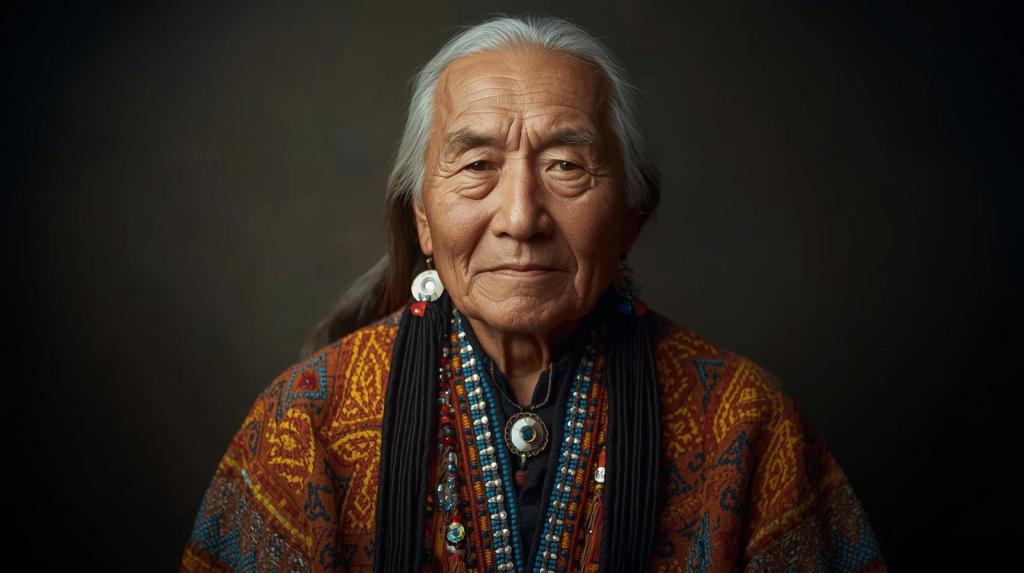

Narrated by Vedek Lira
Conflict is. Conflict was. Conflict will be.
Humanity cannot walk without quarreling. Even after the fires of the Eugenics Wars cooled, the smoke curled into smaller wars — neighbors against neighbors, survivors against survivors. Two militias faced each other across a broken span of the river once called the Ohio. Both claimed the bridge. Both swore the other would not see the sunrise.
And so Tavrel walked among them.
He wore no weapon. He needed none.
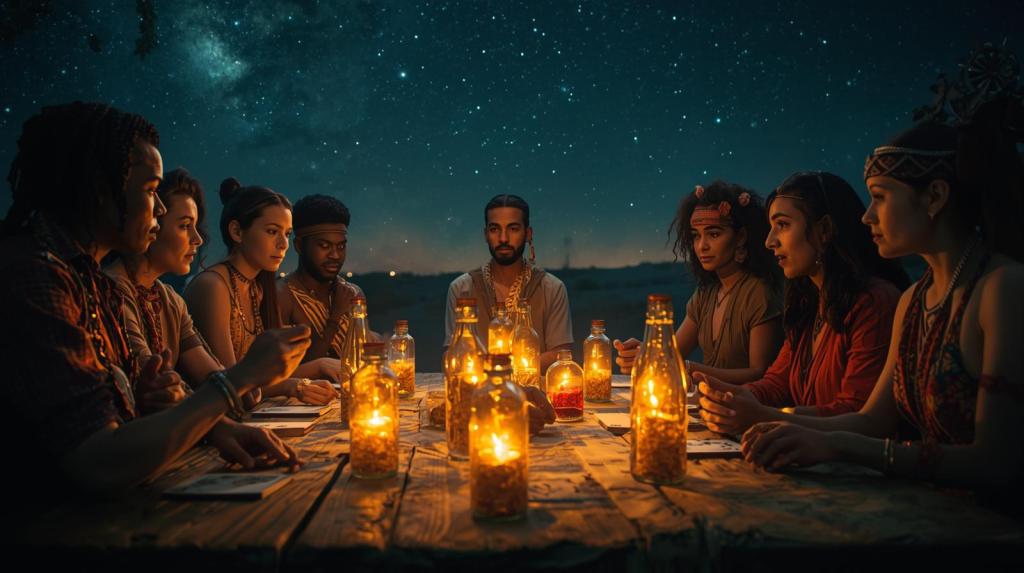
The Camps at Midnight
On the eastern bank, ragged men crouched by firelight, sharpening machetes on stone, their faces hollowed by hunger. Across the river, women checked rifles that had fired too often and too recently. The bridge between them sagged like an old scar, cracked through the middle but still holding.
At dawn, they would charge.
But in the night, a stranger came.
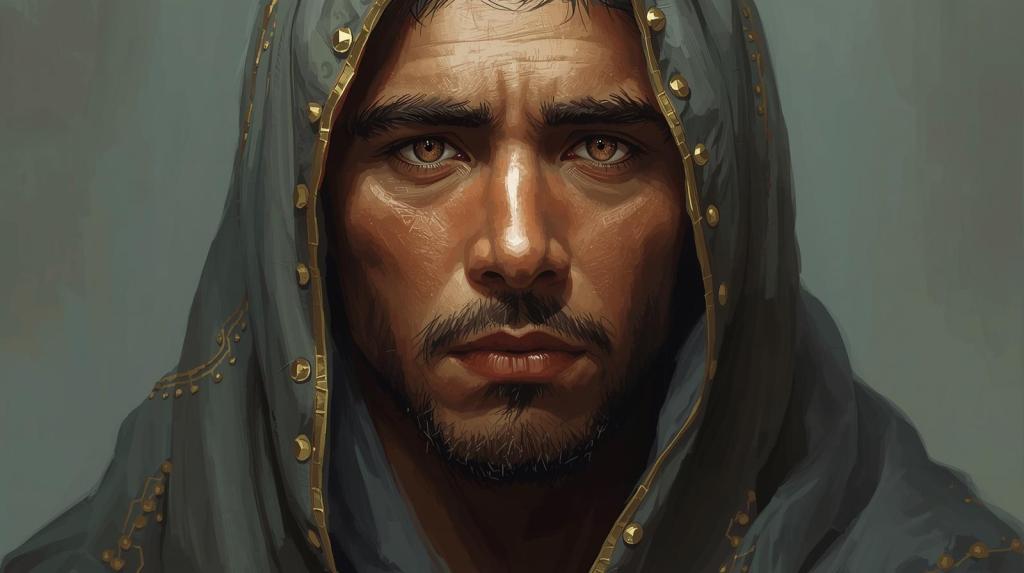
Tavrel moved like moonlight — robes dusty, staff in hand. His face was lined with the patience of centuries, his eyes warm with understanding. He entered the eastern camp and greeted them as one might greet old friends.
“Evenin’,” he said softly. “You folks set for battle?”
Their scarred commander eyed him warily.
“Who’re you, old man?”
“Just a traveler,” Tavrel replied. “Seen too much fightin’ in my time. Tell me — what’s worth dyin’ for across that bridge?”
The commander spat into the fire.
“Supplies. Fuel. If we don’t take it, they’ll starve us out.”
Tavrel nodded, then crossed the bridge, its stones crumbling beneath his feet.
On the western side, he found the same firelight, the same fear. A woman with a bandana around her brow looked up from her rifle.
“Children,” she said before he even asked. “If they take the bridge, we lose the last safe road to our farms.”
Tavrel sat by their fire uninvited. No one told him to leave.
The Bridge at Dawn
When the first light touched the river, both militias surged toward the span — shouting, charging, blades and bullets ready to decide the day.
But there, at the cracked center of the bridge, stood Tavrel.
He raised his walking stick and tapped it once.
Thunder rolled, though the sky was clear.
Men stumbled. Rifles jammed. Machetes clattered to the ground as if the earth itself refused their rage.
“You will not cross,” Tavrel said simply. His voice carried farther than any gunshot.
The scarred commander snarled.
“Old man, step aside or we’ll cut you down!”
Tavrel met his gaze. The man’s arm went limp. Across the river, the woman’s rifle bolt locked shut.
“You are weary,” Tavrel said. “Both of you. The bridge will not give you victory — only graves. Share the bridge. Share the river. Trade, instead of raid. There is enough here for both if you stop wasting lives.”
A long silence followed. Then murmurs rippled through the ranks — some angry, some ashamed. Finally, the woman lowered her weapon. The commander turned away.
And so it was agreed: the bridge would stand as neutral ground.
Vedek Lira’s Closing
Violence is easy. Peace is heavy. Tavrel bore its weight without flinching. He was no outlaw, no gunslinger — only the sheriff who needed no gun.
From the Last Roundup, we watched. Qylarin flicked his pocket watch and smirked. Seraphine clapped in mock applause. But even the jesters among us felt the truth: humanity had chosen restraint.
The bridge remained. And across it, wagons began to pass — first with silence, then with trade, then with laughter.
Children ran across the cracked span carrying baskets of food from one bank to the other. Above them, the rainforest station turned slowly in orbit, vines swaying in the weightless breeze.
Earth’s heart — though battered — still beat green.
 TheWRITEaddiction.com
Leave a comment